
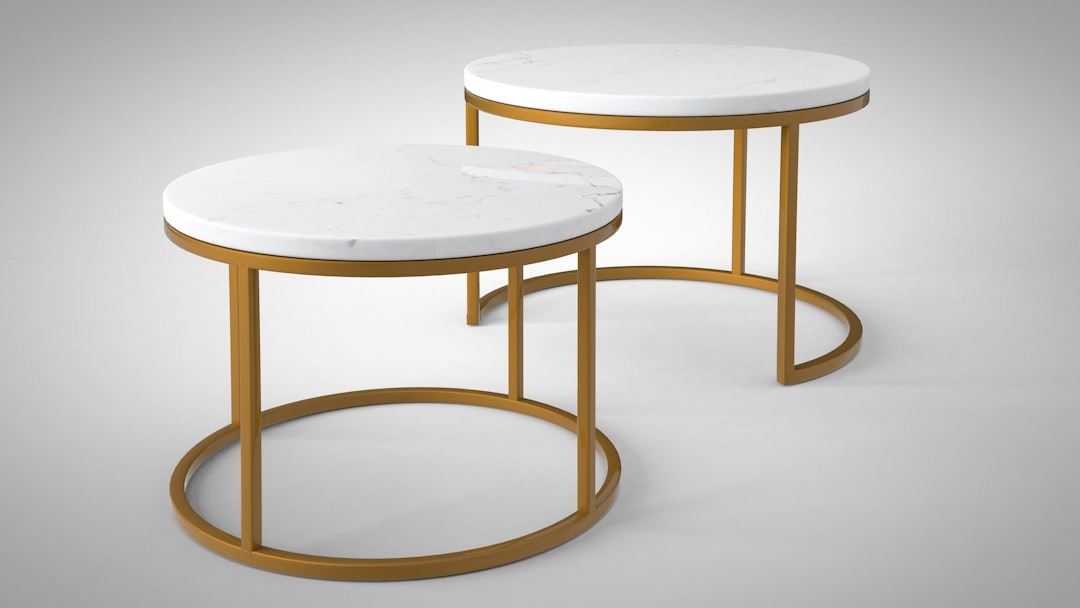
There is a particular confidence in a home that uses raw metal as décor. It says: this space was designed, not assembled.
Walk into a well-designed home in Naguru, Kololo, or Muyenga and you will increasingly see it: a wall sculpture above the sofa, a side table with an industrial silhouette, a coat stand that looks more like it belongs in a gallery than a hallway. Metal is moving from construction material to interior statement — and the designers and fabricators making it happen are not all in Europe.
At Generosity Metal Innovators, we have been building custom metal art and furniture from our workshop in Buloba since the beginning. We see firsthand how a single well-placed steel piece transforms what a room communicates. This post is for anyone asking whether metal belongs in a home — and how to use it with intention.
1. A Focal Point That Earns Attention
The first job of metal art in an interior is to give the eye somewhere to land. A bare wall above a sofa is a missed opportunity. A steel wall sculpture in the same space — geometric, textured, with shadows cast by ambient lighting — creates a focal point that anchors the entire room.
The key is scale. Too small and the piece gets lost. For a standard 3.5m living room wall, you want a work that spans at least 80cm in its widest dimension. Wall sculptures from GMI are designed to specification — if you tell us the wall dimensions, we design for that wall, not for a generic catalogue size.
2. A Side Table That Starts a Conversation
We build tensegrity side tables — pieces where the top surface appears to float, held up by steel cables in tension rather than a conventional frame. There is no faster way to make a guest stop and say: how does that work?
“A tensegrity table is not background furniture. It is a conversation. Guests reach under it looking for the support. They can’t find it.”
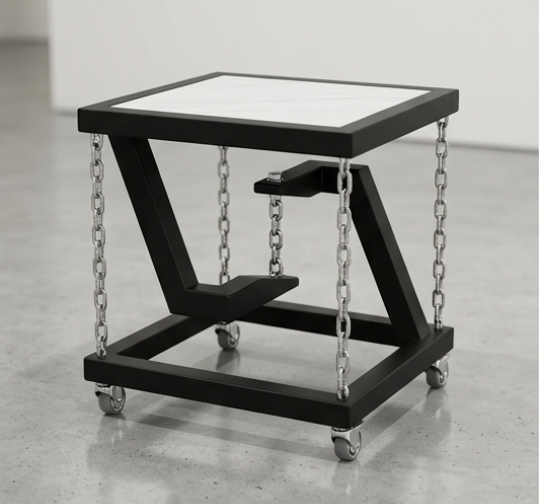
In practical terms, a tensegrity side table pairs best with low-profile sofas and clean-lined interiors. It works in both contemporary and transitional spaces. It does not work well in maximalist, heavily patterned rooms — in those spaces, it competes rather than completes.
3. Lighting Integration — Metal and LED as One Object
One of the most powerful things a fabricator can do right now is treat lighting and structure as a single design decision, not two separate ones. We build LED-integrated metal pieces where the steel frame is also the housing for the light source — shelves where the edge glows, sculptures where light bleeds through laser-cut patterns, coffee tables where the cable tension glows at night.
In a Ugandan home context, this is particularly useful: a feature piece that also provides soft ambient lighting reduces the reliance on harsh overhead fluorescents, which are standard in most local construction but deeply unflattering to any interior. One GMI integrated piece can change the entire mood of a room after sundown.
4. An Entryway Organiser That Sets the Tone
The first thing a visitor sees when they enter your home is the hallway or entryway. A steel hall stand — with hooks for bags and coats, a shelf for keys and small items, a bottom rail for shoes — does two jobs at once: it is functional, and it tells the visitor immediately what kind of home they have entered.
We recently completed an industrial-style hall stand in black powder-coated square hollow section with brass hook hardware. The client wanted something that felt Ugandan but not folkloric — modern, material-forward, with craft that was visible in the details. That is exactly the brief we build best from.
5. Outdoor and Transitional Spaces
Uganda’s climate is a design asset that most interior conversations ignore. We have verandas, courtyards, and covered outdoor areas that function as living spaces for most of the year. Metal is the right material for these zones — it weathers, it ages, and when properly finished, it gets more beautiful over time rather than less.
Outdoor GMI pieces are finished in marine-grade coating or hot-dip galvanised and powder coated. A steel planter stand, a fire pit table, an outdoor bench with geometric metalwork — these are not luxuries reserved for five-star hospitality spaces. They are reachable investments for any homeowner who wants their outdoor area to feel considered.
Where Uganda Gets It Right
There is something honest about Ugandan metal craft. It is made by people who understand material — who know the difference between a weld that holds and a weld that merely looks like it holds. The workshops producing serious work in this country are not hobbyist operations. They are businesses run by trained fabricators

Leave a Reply